Have You Ever Experienced Ecstatic Dance? What Is It?
Imagine stepping into a space where you can dance freely, without being watched, judged or expected to move a certain way. A space free from talking, alcohol, drugs and smoking, where you can let go, explore your edges and follow your body wherever the music takes you.
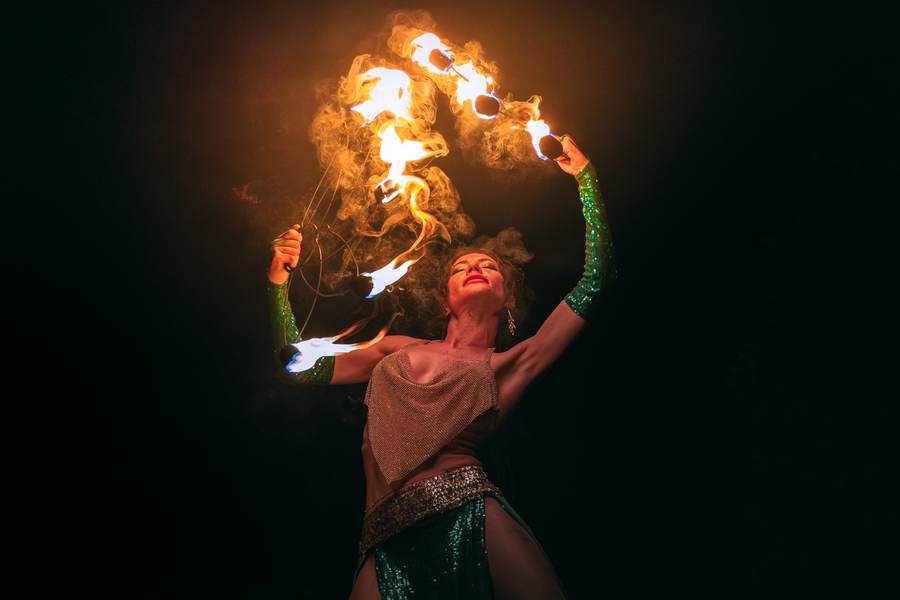
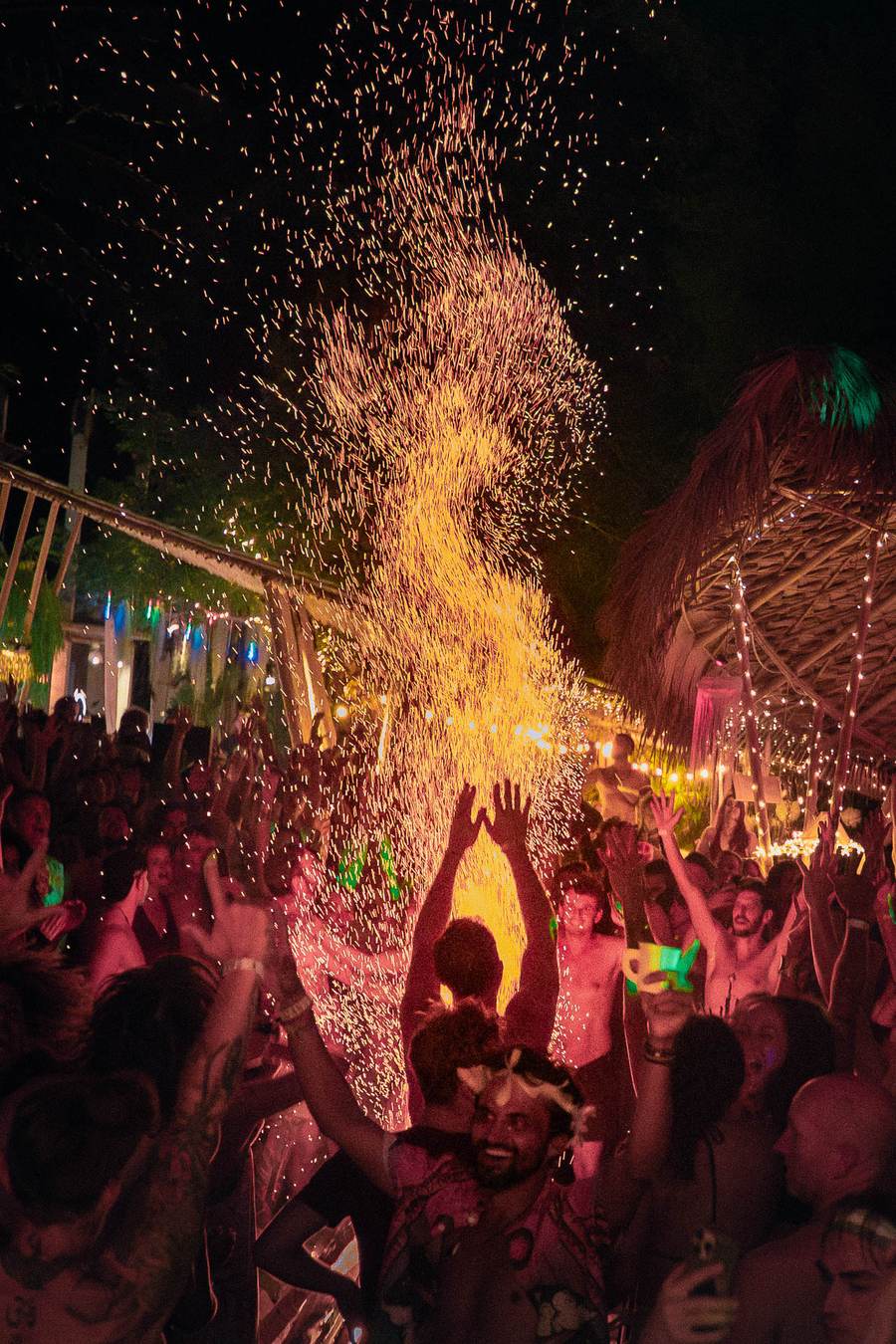
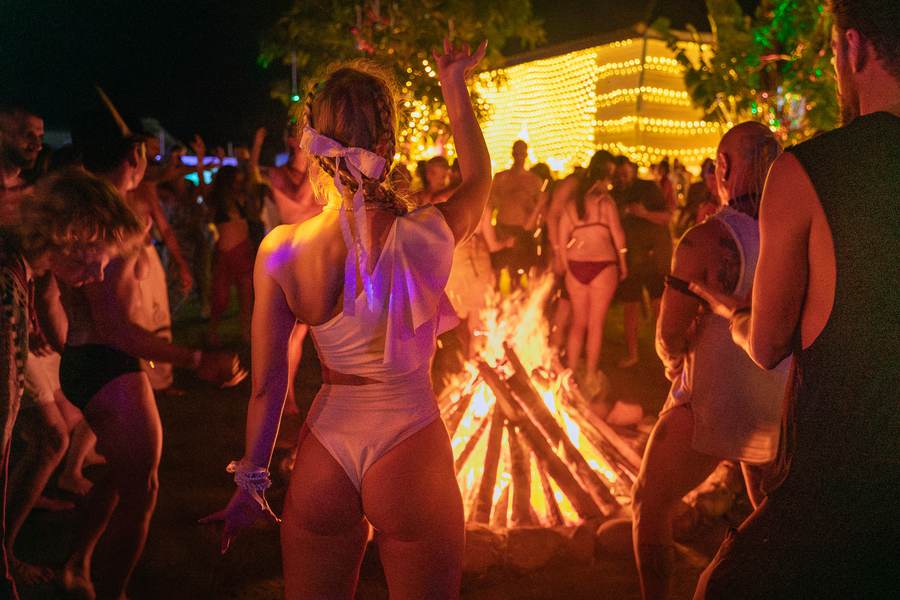
This is Ecstatic Dance, you dance like nobody is watching, surrounded by a community of people doing the same. Here is a little glimpse into the world of movement, freedom, connection and authentic expression on the island of Koh Phangan, Thailand. Filmed: October 2019.
Learn
What Is Ecstatic Dance? & Its Origins…
Ecstatic Dance is a free-form movement practice that brings together music, movement, self-expression and community. There are no steps to learn, no choreography to follow and no partner required. A DJ guides the room through a carefully curated musical journey, taking dancers from gentle beginnings through rhythm, energy and release, before gradually returning to stillness.
You simply listen to the music and let your body respond.
You might dance wildly, move slowly, close your eyes, stretch, shake, laugh, lie on the floor or barely move at all. There is no right or wrong way to dance. The invitation is to let go of how you think you should move and discover how you actually want to move.
And because everyone is doing the same thing, the usual feeling of being watched or judged begins to disappear.
The Origins of Ecstatic Dance
Humans have danced for thousands of years, in ceremony, celebration, ritual and community. But the modern Ecstatic Dance movement has a more recent history.
Its roots can be traced through conscious movement practices such as Gabrielle Roth’s 5Rhythms, which emerged in the 1970s. The modern DJ-led form of Ecstatic Dance developed around the turn of the millennium at Kalani, on the Big Island of Hawaii.
Around 2000–2001, Max Fathom began combining conscious movement with the electronic music culture he had encountered through Burning Man. The result was a new kind of dance floor: a DJ-led musical journey where people could explore movement, expression and altered states without alcohol or recreational drugs.
The weekly dance at Kalani became an important seed for what would eventually grow into a worldwide movement. From Hawaii, the practice spread through California and into conscious communities across North America, Europe and beyond.
Today, Ecstatic Dance can be found in cities, festivals, yoga communities and retreat centres across the world.
From Bali to Koh Phangan
Bali became an important stepping stone for the movement’s expansion into Asia, with Ecstatic Dance becoming part of the island’s growing conscious-movement and wellness community.
From Bali, the practice eventually found its way to another island with a unique combination of music, spirituality, wellness and alternative culture: Koh Phangan, Thailand.
In 2016, Ecstatic Dance arrived on Koh Phangan, with two separate weekly dances beginning around the same time.
Tristan Gorski and his partner Yulia began an Ecstatic Dance on Wednesdays at Jaran’s Yoga, creating a regular midweek gathering centred around music, movement and community.
At the same time, Sandesh began a Sunday morning Ecstatic Dance at Pyramid Yoga. The Sunday dance became known as RISE Ecstatic Dance, bringing people together beneath the enormous pyramid structure, deep in the Koh Phangan jungle.
Both dances grew remarkably quickly.
What began as small gatherings soon became major weekly events, attracting international travellers, long-term island residents, musicians, dancers, DJs and people from the growing conscious community.
The two dances helped establish Ecstatic Dance as a defining part of Koh Phangan’s alternative culture.
And from that growing community came something even bigger.
The Birth of Ecstatica Festival
The energy created by the early Ecstatic Dances on Koh Phangan quickly began to grow beyond the weekly dance floor.
In 2017, Ecstatica was born on Koh Phangan, bringing together Ecstatic Dance, music, breathwork, embodiment, connection and conscious culture in a new kind of celebration. What began as a New Year gathering at Jaran’s became the foundation for what would develop into Ecstatica Festival, one of the island’s pioneering conscious festivals.
The event also brought together people who were developing new approaches to conscious celebration on the island, including Niraj Naik, whose work combining music and breathwork would become SOMA Breath and help spearhead the development and growth of Ecstatica.
Niraj had already been exploring the combination of music, breathwork and altered states, and Koh Phangan became an important part of the early development of what would become SOMA Breath. He subsequently developed his own fusion of breathwork, music and dance, while his Breathe In Beats music collective became closely connected with the island’s conscious-festival scene.
SOMA Breath would go on to become a worldwide breathwork community.
What had started as small groups of people gathering to dance on Koh Phangan was becoming something much bigger. Ecstatica, SOMA Breath, and a growing global movement centred around music, movement, connection and conscious celebration.
And Koh Phangan became one of its homes.
Why Do People Dance?
People come to Ecstatic Dance for many different reasons.
For some, it’s simply an incredible workout. You can spend two or three hours moving your entire body without it feeling like exercise. For others, it’s a way to switch off from the constant noise of everyday life and reconnect with something more instinctive.
There is growing research supporting the wider benefits of dance. Systematic reviews of dance interventions have found positive effects on depression, anxiety, stress and mood, although research specifically on Ecstatic Dance itself remains limited.
Dance has also been associated with improvements in physical self-esteem and reductions in social physique anxiety.
But perhaps one of the most powerful parts of Ecstatic Dance is something harder to measure: connection.
You can arrive alone and dance entirely in your own space, yet still feel part of something much bigger. Hundreds of people can be moving in completely different ways while sharing the same music, rhythm and moment.
It is both deeply personal and deeply communal.
A Different Kind of Experience
Ecstatic Dance also offers an alternative to conventional nightlife.
The modern movement developed around creating spaces where people could experience the freedom and energy of dancing without alcohol or recreational substances.
People choose these spaces for many different reasons. Some don’t drink. Some are taking a break. Some simply prefer being fully present. Others love being able to dance for hours and wake up the next morning feeling great.
The point isn’t that everyone has to live the same way.
It’s that you don’t need to be intoxicated to let go. You don’t need a drink to become confident enough to dance. You don’t need anything outside yourself to create an extraordinary experience.
The music, your body and the people around you can be enough.
A Global Movement
From its early roots in Hawaii, through California and Bali, to Koh Phangan and countless communities around the world, Ecstatic Dance has continued to evolve.
Every community puts its own character into the practice. Different DJs bring different sounds. Different facilitators create different journeys. Some dances happen in studios, some outdoors, some on beaches and some deep in the jungle.
But the essence remains remarkably simple:
Music. Movement. Freedom. Connection.
Come as you are. Move as you feel. Let the music take you.
Upcoming
Embodied DJ Training
Learn to DJ with confidence.
A six-day immersive training for women combining professional DJ skills, musical storytelling, and embodied facilitation. Learn to craft meaningful dance journeys, build technical confidence and develop the presence to guide transformative experiences through music, movement, and embodied awareness.